What is the Anterior Cruciate Ligament (ACL)?
The Anterior Cruciate Ligament, or ACL, is a strong band of tissue in your knee. It connects your thigh bone to your shin bone. Because it helps keep your knee stable, the ACL is very important for walking, running, and jumping. If the ACL gets injured, you may need Anterior Cruciate Ligament (ACL) surgery to fix it. Many athletes and active people are at risk for this type of injury.
Common Symptoms of ACL Injuries
Often, people feel or hear a pop in their knee when the ACL tears. After that, the knee may swell quickly. You might also notice:
Because these symptoms can be severe, it is important to seek medical help if you suspect an ACL injury.
Causes and Risk Factors
ACL injuries often happen during sports or activities that involve sudden stops, jumps, or changes in direction. For example, soccer, basketball, and skiing are common causes. However, anyone can injure their ACL. Some risk factors include:
In addition, women are at a higher risk due to differences in muscle strength and body structure.
How ACL Injuries Are Diagnosed
First, a doctor will ask about your symptoms and how the injury happened. Next, they will check your knee for swelling, pain, and movement. Often, doctors use these steps to diagnose an ACL injury:
Because other knee injuries can look similar, these tests help confirm if the ACL is torn.
Overview of ACL Surgery: Procedure and Techniques
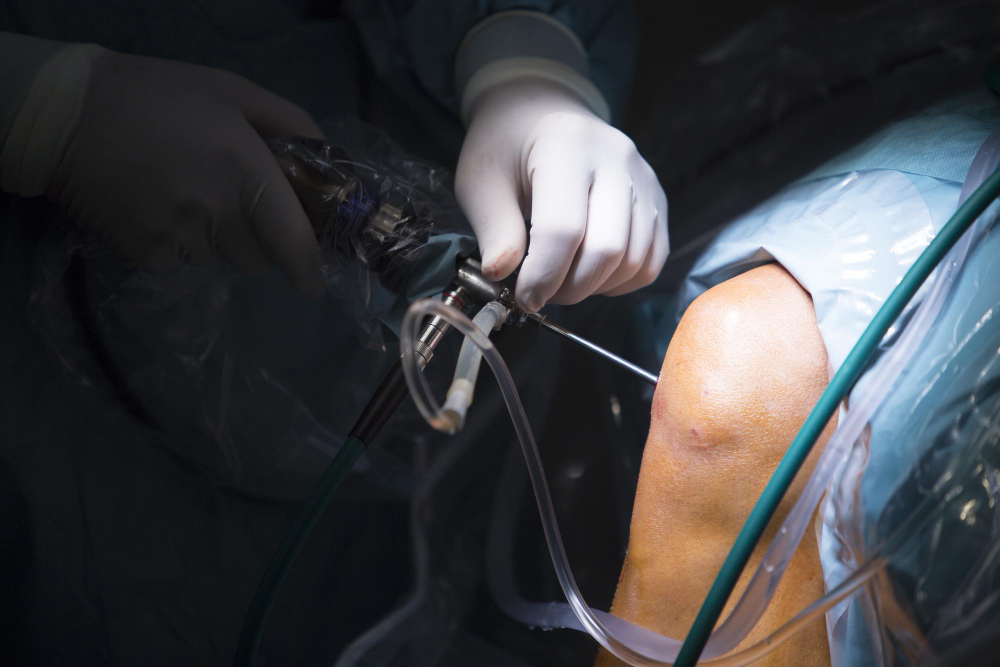
When the ACL is badly torn, surgery may be needed. Anterior Cruciate Ligament (ACL) surgery is called ACL reconstruction. During this procedure, the surgeon removes the damaged ligament. Then, they replace it with a new tissue graft. This graft can come from your own body or a donor. Most surgeries use small cuts and a camera, called arthroscopy, for faster healing. Common techniques include:
Because each person is different, your orthopedic surgeon for ACL will choose the best method for you.
Recovery Process and Rehabilitation
After ACL surgery, recovery takes time. Usually, you will go home the same day. However, you must follow a plan to heal well. The ACL surgery recovery process includes:
Most people return to sports or active life in 6 to 12 months. Because recovery is different for everyone, your doctor will guide you through each step.
Tips for Prevention and Lifestyle Guidance
While not all ACL injuries can be prevented, you can lower your risk. For example, try these tips:
In addition, following your physical therapist’s advice after surgery can help prevent future injuries.
When to Consult an Orthopedic Surgeon
If you have knee pain, swelling, or feel your knee is unstable, see a doctor. Especially if you heard a pop or cannot walk, seek help right away. An orthopedic surgeon for ACL injuries can give you the best advice. They will explain if you need ACL reconstruction procedure or other treatments. For those looking for ACL surgery in your area, ask your doctor for a referral to a trusted specialist.
In summary, ACL injuries are common but treatable. Early diagnosis and proper care help you return to your normal life. Consult an orthopedic specialist Dr. Kundan Kumar Jha for personalized advice on ACL surgery and recovery.