
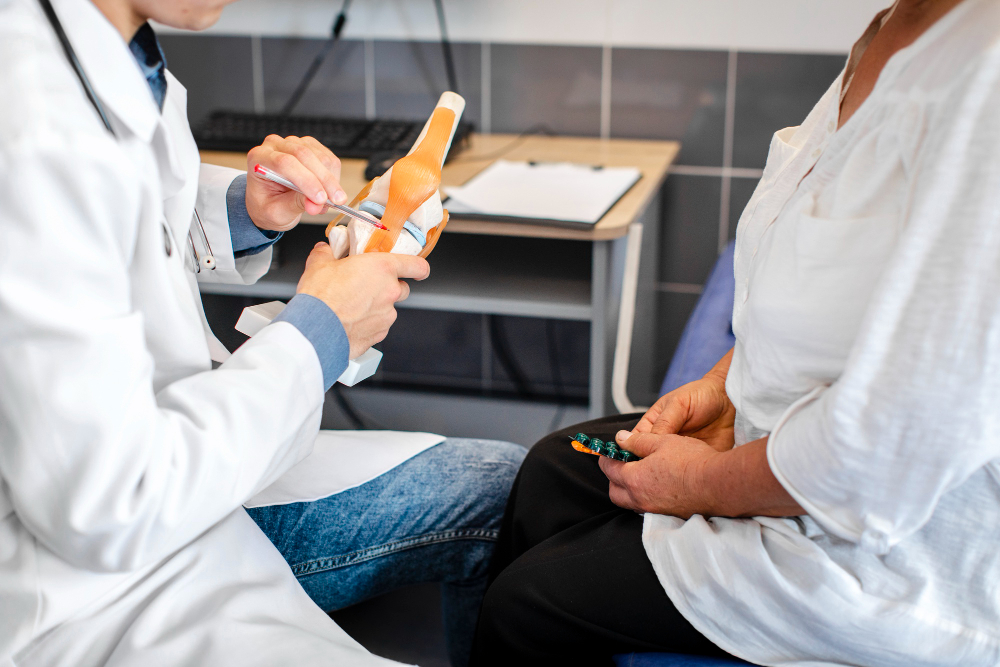
What Is Arthroscopy?
Many people wonder, “When is arthroscopy indicated?” Arthroscopy is a type of minimally invasive orthopedic surgery. Doctors use a small camera and tools to look inside a joint. Because the cuts are tiny, recovery is often quicker than with open surgery. This method helps doctors see and treat joint problems without making large cuts. As a result, many patients feel less pain and heal faster.
Common Joints Treated with Arthroscopy
Doctors use joint arthroscopy on several parts of the body. However, some joints are treated more often than others. For example, the following joints are common sites for arthroscopy:
Each joint may have different reasons for needing this procedure. Still, the goal is always to help the joint move better and reduce pain.
Indications for Arthroscopy
Doctors consider arthroscopy indications when deciding if this surgery is right for you. Usually, arthroscopy is suggested when other treatments do not help. Some common reasons include:
In many cases, doctors try rest, medicine, or physical therapy first. If these do not work, arthroscopy may be the next step.
Symptoms That May Lead to Arthroscopy
Some symptoms may make your doctor think about arthroscopy. For instance, you might notice:
Because these symptoms can have many causes, your doctor will check you carefully. Sometimes, tests like X-rays or MRI scans are needed before deciding on surgery.
How Doctors Decide If Arthroscopy Is Needed
Doctors use several steps to decide if joint arthroscopy is the best choice. First, they ask about your symptoms and medical history. Next, they examine your joint. After that, they may order imaging tests. If the problem is clear and other treatments have failed, arthroscopy may be suggested. However, the final decision depends on your overall health and the exact joint problem.
Benefits and Risks of Arthroscopy
Arthroscopy benefits many people with joint problems. For example, you may:
But, like all surgeries, there are some risks. These can include:
Most people do well, but it is important to talk with your doctor about these risks.
When Arthroscopy May Not Be Recommended
Sometimes, arthroscopy is not the best option. For example, if the joint is badly damaged by arthritis, other treatments may work better. Also, people with certain health problems may not be good candidates for surgery. Your doctor will explain if another orthopedic surgery option is safer for you.
Frequently Asked Questions
Conclusion and Next Steps
In summary, arthroscopy is a safe and effective way to treat many joint problems. However, it is not right for everyone. If you have ongoing joint pain or other symptoms, talk to your doctor. They can help you decide if arthroscopy or another orthopedic surgery option is best. Consult an orthopedic specialist Dr. Kundan Kumar Jha to determine if arthroscopy is right for you.