Introduction: The Impact of Sports Injuries
Sports injuries can happen to anyone, whether you play for fun or compete seriously. Because these injuries affect your muscles, bones, or joints, they can stop you from enjoying your favorite activities. Early sports injury care is important for a smooth recovery. With the right steps, most people return to their sport safely. However, ignoring injuries can lead to long-term problems. According to the CDC, millions of people face sports injuries each year. So, knowing how to recover from sports injuries is key for everyone.
Common Types and Symptoms of Sports Injuries
Many types of sports injuries can occur. Some are mild, while others need more care. For example, you might twist an ankle or pull a muscle. Here are some common injuries and their symptoms:
Sometimes, you may also notice redness, warmth, or trouble using the injured part. If pain lasts or gets worse, you should seek help.
Causes and Risk Factors
Sports injuries often happen because of sudden movements or overuse. For instance, running too much or not warming up can raise your risk. Other common causes include:
Additionally, some people are more likely to get hurt. Young athletes, older adults, and those with past injuries face higher risks. But with good habits, you can lower your chances.
Diagnosis Methods
When you get hurt, a doctor will check your injury. First, they will ask about how it happened. Next, they may examine the area for swelling or pain. Sometimes, tests like X-rays or MRIs help find broken bones or torn tissues. Early diagnosis is important for proper sports injury recovery. Because each injury is different, your doctor will choose the best tests for you.
Recovery Stages and Timelines
Recovery from sports injuries happens in stages. Each stage helps your body heal. Here is what you can expect:
Recovery time depends on the injury. For example, mild sprains may heal in days, but fractures can take months. Always follow your doctor’s advice for the best results.
Rehabilitation Strategies and Exercises
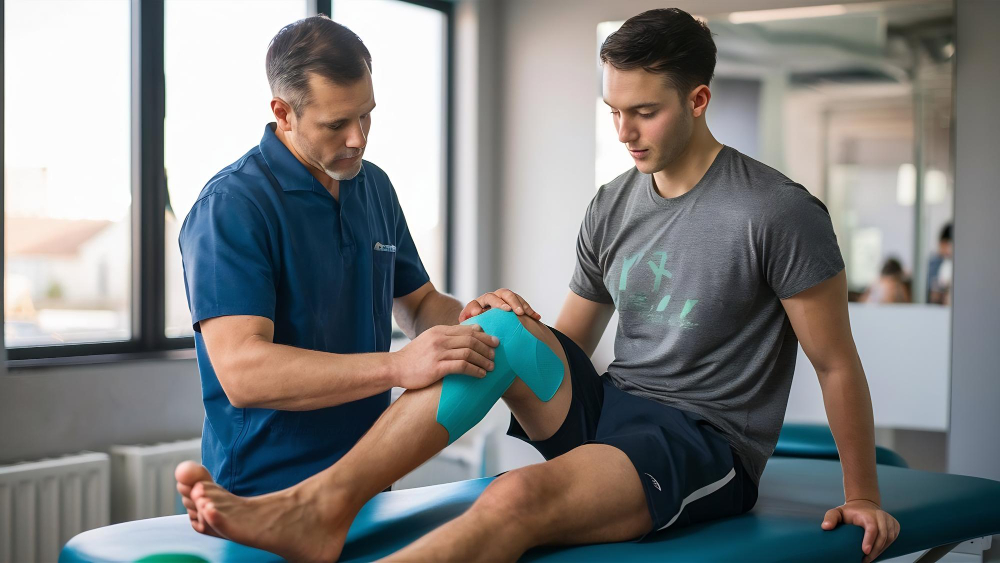
Orthopedic rehabilitation is key for a full recovery. Because each injury is unique, your rehab plan may include:
For example, after an ankle sprain, you might start with gentle stretches. Later, you add balance and strength work. A physical therapist can guide you through safe exercises. With regular rehab, you lower your risk of future injuries.
Prevention Tips and Lifestyle Guidance
Preventing sports injuries is possible with good habits. Here are some sports injury care tips to help you stay safe:
Additionally, regular check-ups with your doctor can spot problems early. With these steps, you can enjoy sports and avoid many injuries.
When to Seek Professional Help
Sometimes, home care is not enough. You should see an orthopedic specialist if:
Early treatment can prevent lasting problems. So, do not wait if you have concerns about your injury.
Conclusion: Take Charge of Your Recovery
Sports injury recovery takes time and care. With the right steps, you can heal well and return to your favorite activities. However, every injury is different. For the best results, consult an orthopedic specialist Dr.Kundan kumar jha for personalized advice and support.