
What is Tendonitis?
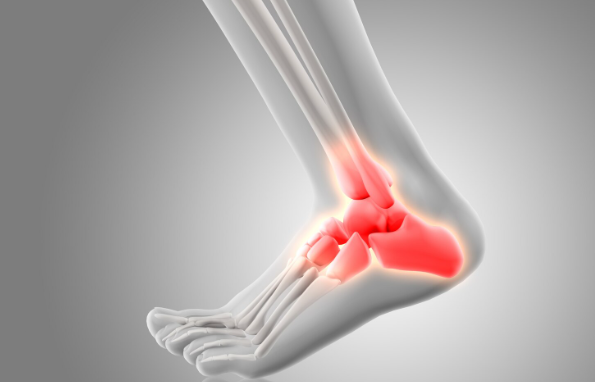
Tendonitis is a common condition that affects many people. It happens when a tendon, which connects muscle to bone, becomes inflamed or irritated. Because tendons help you move, tendonitis can make daily activities painful. Often, this condition affects the shoulders, elbows, wrists, knees, or heels. However, it can occur in any tendon. Early treatment can help prevent further problems. According to the CDC, tendonitis is often caused by overuse or injury.
Common Symptoms of Tendonitis
Recognizing tendonitis symptoms early can help you get the right care. While symptoms may vary, most people notice:
Sometimes, the pain gets worse with movement. For example, lifting objects or walking may increase discomfort. If you notice these signs, you should consider seeing a doctor.
Causes and Risk Factors
Many things can lead to tendonitis. Most often, it is caused by repeating the same motion over time. For instance, sports like tennis or jobs that require frequent lifting can increase your risk. In addition, sudden injuries may also cause tendonitis. Other risk factors include:
Because these factors can add up, it is important to pay attention to your body. If you feel pain, take a break and rest the area.
How Tendonitis is Diagnosed
Doctors use several steps to diagnose tendonitis. First, they will ask about your symptoms and medical history. Next, they will examine the affected area. Sometimes, they may order tests to rule out other problems. For example, an X-ray or ultrasound can help check for tears or swelling. In most cases, a physical exam is enough. However, if symptoms do not improve, more tests may be needed. Early diagnosis can lead to better tendonitis treatment options.
Treatment Options for Tendonitis
There are many tendonitis treatment options available. Most people get better with simple steps. For mild cases, doctors may suggest:
However, if pain continues, your doctor may recommend other treatments. These can include steroid injections or, in rare cases, surgery. According to the WHO, most people recover fully with proper care. Still, following your doctor’s advice is important for the best results.
Tips for Prevention and Lifestyle Guidance
Preventing tendonitis is possible with a few simple steps. For example, you can:
Additionally, listen to your body. If you feel pain, stop and rest. Over time, these habits can lower your risk. If you have questions about how to prevent tendonitis, ask your healthcare provider for advice.
When to See an Orthopedic Specialist
Sometimes, tendonitis does not improve with home care. In these cases, it is important to seek orthopedic care for tendonitis. You should see a specialist if:
Early treatment from an orthopedic specialist can prevent long-term problems. They can offer advanced treatments and help you recover faster.
In summary, tendonitis is a treatable condition. With the right care, most people return to normal activities. Consult an orthopedic specialist Dr. Kundan Kumar Jha for personalized advice on tendonitis management.